
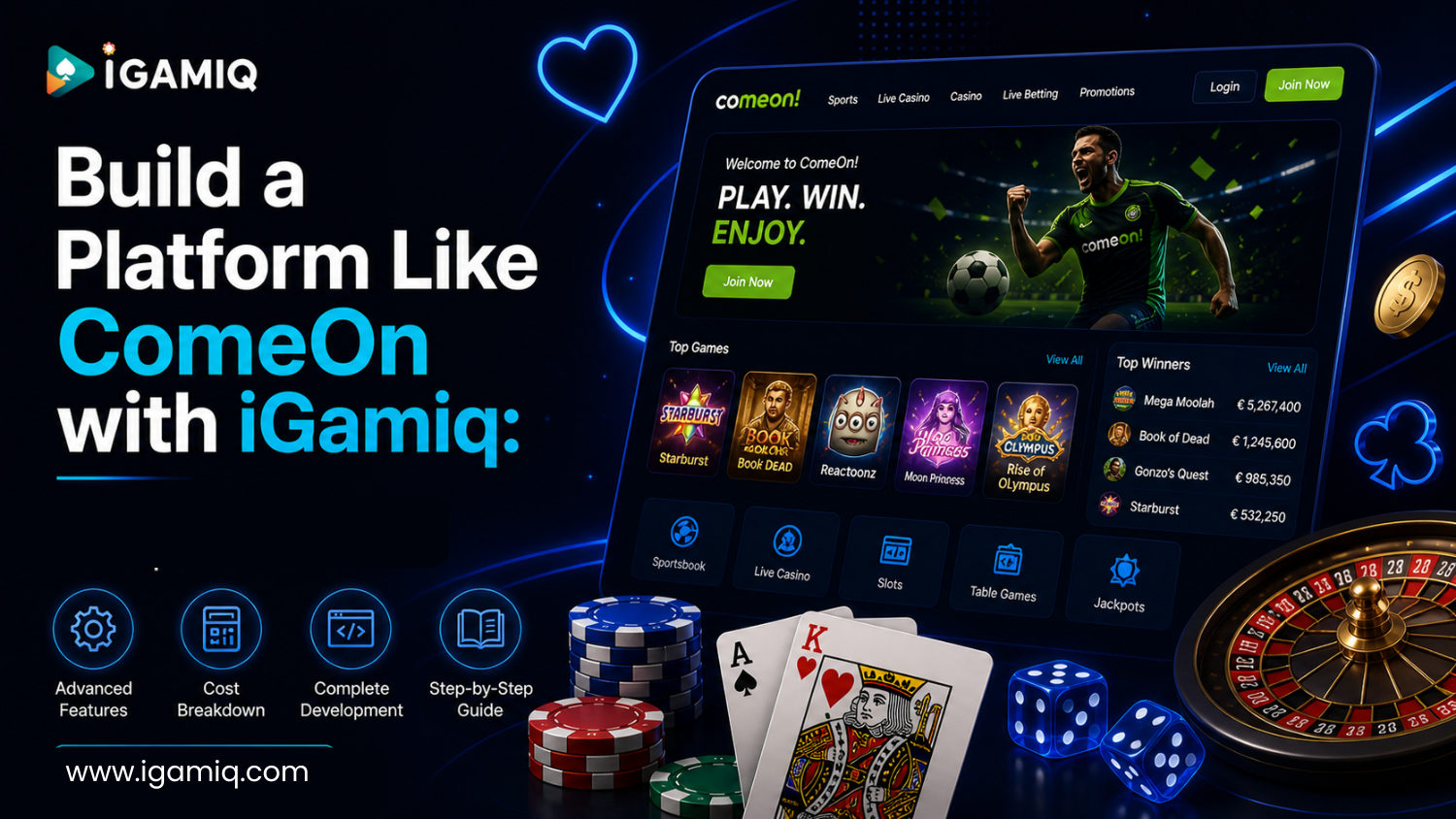
The online betting space has evolved rapidly over the last decade. Platforms like ComeOn have shown how combining sportsbook and casino into a single experience can attract and retain users at scale. For entrepreneurs and operators, the opportunity is clear: build a unified, high-performance iGaming platform that delivers speed, variety, and trust.
But building something similar isn’t just about copying features. It’s about creating a system that works reliably under pressure, adapts to different markets, and keeps users engaged over time. That’s where a solution-driven approach with iGamiq makes a difference. This guide breaks down what it really takes to build a platform like ComeOn, from core features to cost, development steps, and practical considerations.
Table of Contents
Why Should You Make Platforms Like ComeOn
The strength of platforms like ComeOn lies in their all-in-one structure. Users don’t want to switch between apps or websites. They want everything in one place: sports betting, casino games, payments, and promotions. The model that is being used by ComeOn works because the following are true:
- Increases user retention
- Creates multiple revenue streams
- Simplifies the user journey
- Encourages higher engagement
Instead of focusing on a single product, successful platforms build an ecosystem.
Features You’ll Need While Making a Website like ComeOn
If you’re planning to build a similar platform with iGamiq, these are the essential components you’ll need to get right.
1. User Accounts & Wallet System
Everything starts here. A smooth onboarding process sets the tone. Your users must be able to:
- Register quickly (email, phone, or social login)
- Verify identity (KYC compliance)
- Manage wallet, deposits, and withdrawals
- Track betting and gaming history
A reliable wallet system is critical. It must handle transactions in real time without errors.
2. Sportsbook Engine
The sportsbook is one of the most complex parts of the platform. It should include:
- Pre-match betting
- Live betting with real-time odds
- Bet slip functionality
- Cash-out options
- Multiple betting formats
Even a small delay in odds updates can impact user trust.
3. Casino Integration
A strong casino section significantly boosts revenue. This includes:
- Slot games
- Table games (blackjack, roulette, poker, and more)
- Live dealer games
Game variety keeps users engaged longer. Integration with multiple providers ensures constant content availability.
4. Payment Integration
Payments can make or break your platform. You’ll need:
- Local payment options (like UPI for India-focused markets)
- International methods (cards, wallets, crypto, where allowed)
- Fast deposits and withdrawals
- Secure processing
Users expect instant transactions. Delays often lead to drop-offs.
5. Real-Time Data & Odds System
Behind the scenes, this is where the real work happens. Your platform must:
- Fetch live sports data
- Update odds dynamically
- Manage risk automatically
This system ensures profitability while keeping betting fair and competitive.
6. Promotions & Bonus Engine
Bonuses drive user acquisition and retention. Common features include:
- Welcome bonuses
- Free bets
- Cashback offers
- Loyalty rewards
But it’s not just about offering bonuses; you also need controls to manage misuse and track wagering requirements.
7. Mobile Optimization
Most users access platforms through mobile devices. Your platform should:
- Load quickly on all devices
- Offer a responsive design
- Provide app-like performance
Some operators also launch dedicated mobile apps for higher engagement.
8. Security & Compliance
Security and compliance are non-negotiable. You’ll need data encryption and compliance. including:
- Secure login systems
- Fraud detection tools
- Responsible gambling features
Regulations vary by region, so compliance must be built into the system from day one.
Step-by-Step Development Process with iGamiq
Building a platform like ComeOn isn’t a one-step process. It requires planning, execution, and continuous improvement.
Step 1: Market Research
Start by defining your target audience, preferred markets, and competitor positioning. Instead of copying big brands, look for gaps, regional focus, niche sports, or unique user experiences.
Step 2: Choose the Right Approach
There are three common ways to build:
- White-label solution: Fastest and cost-effective
- Custom development: Full control, but expensive
- Hybrid approach: Balance between speed and flexibility
iGamiq typically helps businesses choose a hybrid model, a quick launch with room for customisation.
Step 3: UI/UX Design
A clean interface matters more than flashy visuals. Focus on easy navigation, fast bet placement, and minimal steps for transactions. Users should never feel confused while using your platform.
Step 4: Technology Stack
Your tech stack determines performance and scalability. Typical setup includes:
- Frontend: React or similar frameworks
- Backend: Node.js or Python
- Cloud hosting for scalability
The goal is to handle high traffic without downtime.
Step 5: Development & Integration
This phase includes building core features, integrating APIs (sports data, payments, games), and setting up admin controls. Most platforms start with an MVP and expand later.
Step 6: Testing
Before launch, everything must be tested for functionality, performance under load, and security vulnerabilities. Skipping this step can cost you users and reputation.
Step 7: Licensing & Compliance
You’ll need gaming licences (based on region), KYC/AML compliance, and responsible gambling tools. Legal setup varies widely, so planning ahead is essential.
Step 8: Launch & Optimization
Once live, it is needed to monitor performance, fix issues quickly, and introduce new features regularly. A platform is never “finished”; it keeps evolving.
Cost to Build a Platform Like ComeOn
The cost depends on multiple factors, features, complexity, and development approach.
Estimated Cost Range:
| Category | Type | Details |
| Platform Cost | Basic | $10,000 – $20,000 |
| Mid-Level | $20,000 – $50,000 | |
| Advanced | $50,000+ | |
| Development Includes | UI/UX Design | Interface design and user experience |
| Frontend & Backend Dev | Core platform development | |
| API Integrations | Payment, sportsbook, and game APIs | |
| Testing | QA and performance testing | |
| Additional Costs | Licensing Fees | Legal approvals and compliance |
| Server Infrastructure | Hosting and cloud setup | |
| Maintenance & Updates | Ongoing support and upgrades | |
| Marketing & Acquisition | Ads, promotions, and user growth |
Monetization Strategies
Revenue doesn’t come from just one source. Common streams include betting margins, casino commissions, VIP programmes, and affiliate partnerships. A diversified model ensures a steady income.
Challenges You Should Expect While Making an Application like ComeOn
Building a platform like ComeOn isn’t easy. You’ll face:
- Regulatory complexity
- Payment processing restrictions
- High competition
- Ongoing security risks
The key is to prepare early and choose the right technology partner.
Why Choose iGamiq for Making a Platform Like ComeOn?
Working with iGamiq gives you a structured path to launch and scale. What sets it apart:
- Ready-to-deploy solutions
- Scalable architecture
- Faster time-to-market
- Customization flexibility
- Ongoing technical support
Instead of building everything from scratch, you get a foundation that’s already optimised for performance. Building a platform like ComeOn is a serious investment, but it opens the door to a fast-growing industry. Success depends on more than just features; it requires stability, compliance, and a smooth user experience. If you approach it strategically and use the right tools, you can launch faster and compete effectively. With iGamiq, the process becomes more structured, reducing both risk and development time.
FAQs
1. How long does it take to build a platform like ComeOn?
A basic version can take 4–8 weeks, while a full-feature platform may take several months.
2. Can I start small and scale later?
Yes, many platforms launch with an MVP and expand gradually.
3. Do I need a licence to operate?
Yes, licensing is required in most regions to run legally.
4. What is the best development approach?
A hybrid approach (white-label + customisation) is often the most practical.
5. How does the platform generate revenue?
Mainly through betting margins, casino commissions, and additional programs like VIP or affiliate models.